
All over the world people have anxiety, and many million’s feel uncomfortable because of it . The treatment options provided through psychiatric services are available to treat patients suffering with anxiety , including treatment with medication, talk therapy (psychotherapy), lifestyle modifications and emotional support based on the patient’s needs . There are several different psychiatric interventions which can help those who struggle with anxiety. In this blog post, I will share information regarding all of these types of interventions available in psychiatry to help treat the anxiety experienced by both individuals and the people they love.
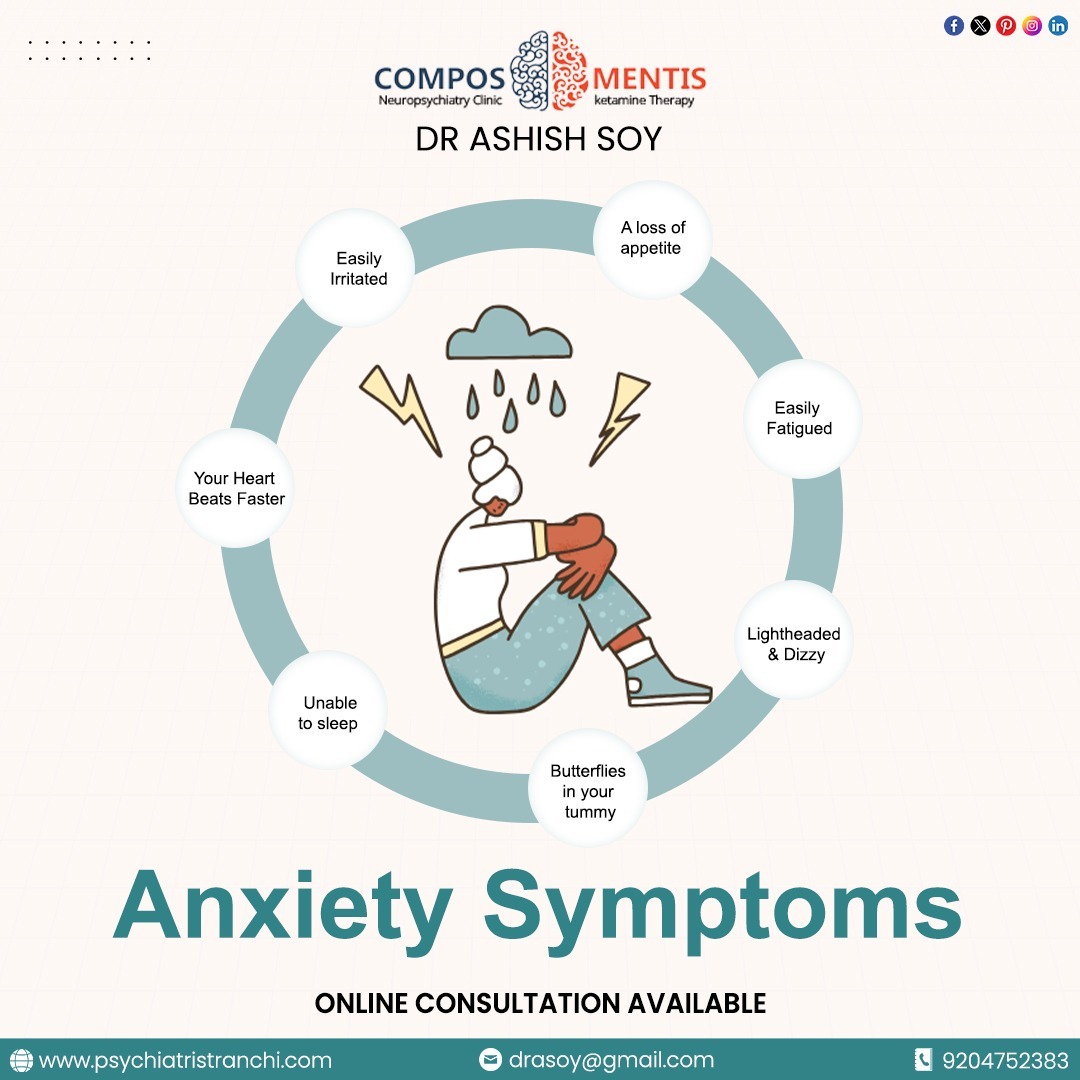
What is anxiety?
Anxiety is a mental health disorder characterized by excessive worry over issues and situations in everyday life. Although anxiety occurs as a response to stress and danger, prolonged and excessive anxiety can be detrimental to the quality of life. The symptoms are present for six months or longer, including:
- Excessive worry or fear
- Restlessness or feeling on edge
- Muscle tension or trembling
- Difficulty sleeping or concentrating
- Avoiding certain social situations or other triggers
- Frequent panic attacks
How do psychiatrists treat anxiety disorders?
They are physicians specializing in mental health. Treatment of anxiety may involve a variety of treatment modalities, including various medications and psychotherapies. The decision as to what treatment is best for the patient depends on the patient’s particular needs. Below are some of the treatments applied by psychiatrists to alleviate symptoms associated with an anxiety disorder.
Selective Serotonin Reuptake Inhibitors (SSRIs)
The psychiatrist will consider SSRIs applicable for the treatment of anxiety disorders. SSRIs increase the level of serotonin in the brain, which is known to regulate mood, sleep, and appetite. Lowered levels of serotonin have been related to a myriad of emotional and behavioral disorders that, in turn, can lead to clinical depression, anxiety, and suicidal action. Thus, SSRIs are formally considered antidepressants, but they are progressively being used for anxiety and other disorders.
Serotonin Norepinephrine Reuptake Inhibitors (SNRIs)
In the case of serotonin norepinephrine reuptake inhibitors (SNRIs), they raise certain neurotransmitters like serotonin, similar to SSRIs. However, in addition to serotonin, SNRIs increase norepinephrine levels. Whereas serotonin creates a sense of well-being and mental balance, norepinephrine stimulates energy and wakefulness. People with anxiety symptoms that include low energy, poor concentration those who find SSRIs unhelpful-may benefit from SNRIs.
Tricyclic Antidepressants (TCAs)
Like SNRIs, TCAs modify levels of serotonin and norepinephrine in the brain. They are older antidepressants used for treating anxiety, depression, and a wide range of other mental disorders. In fact, for some instances, they may work better than SSRIs for severe depression and anxiety disorders. Unfortunately, the increased side effects and reduced safety profile of TCAs are the chief disadvantages. Even so, they provide excellent symptomatic relief for many in quite troublesome signs.
Benzodiazepines
Benzodiazepines are those drugs that relieve acute anxiety symptoms through action on the gamma-aminobutyric acid (GABA) receptors in the brain. GABA has a function in the reaction of the organism to stress, and helps in research to regulate fear and anxiety. Changes in the GABA system have been correlated with anxiety disorders. Benzodiazepines bind to the same receptors as GABA to depress the central nervous system, creating a calm feeling. They work fast and wear off pretty quickly.
Benefits of anxiety treatments
- It may assist a patient in self-discovery, which, in turn, can lead to the finding of solutions regarding that individual’s anxiety concerns. The mental health provider is capable of directing the behaviors and thoughts of the patient so that the patient can cope with anxiety symptoms.
- It helps to choose the effective cause of the disorder. Medication will only reduce anxiety symptoms. Time spent with a mental health professional can help find the cause of the disorder. It will help reduce anxiety and panic attacks as experienced because of that disorder. In this manner, the patient will regain control of himself/herself.
- This helps the patient with self-image restoration. Control over anxiety attacks enables one to boost the self-image. An individual can thus lead a healthy and happy life.
- It provides the patient with effective gear for overcoming anxiety symptoms. Visiting a mental health professional will be a worthy investment to tackle anxiety for the patient. It adds to tear off a harder layer of uncontrollable anxiety, which makes the life of a person become a prison in which he or she cannot dare to step out daily. It gives motivation to invest in achieving one’s treatment goals. The patient then becomes better at making informed decisions regarding the treatment.
Frequently Asked Questions (FAQ):
1. How do psychologists diagnose anxiety disorders?
Psychiatrists assess symptoms, medical history, lifestyle issues, and possibly standardized assessment instruments before confirming a diagnosis.
2. What are the common treatment options for anxiety disorders?
Commonly, therapies and supportive counseling are given, with drug therapy prescribed whenever necessary.
3. Do psychiatrists use therapy for anxiety?
Yes, the psychiatrist prescribes evidence-based therapies such as cognitive-behavioral interventions to ease anxiety.
4. Does anxiety treatment include lifestyle changes?
Yes, they are commonly included in advice on sleep, stress management, exercise, and relaxation techniques.
5. How long do anxiety treatments usually take?
Treatment time varies according to severity and type of anxiety disorder, as well as individual response.

